Start with the Binghamton facade and the deposit you actually have
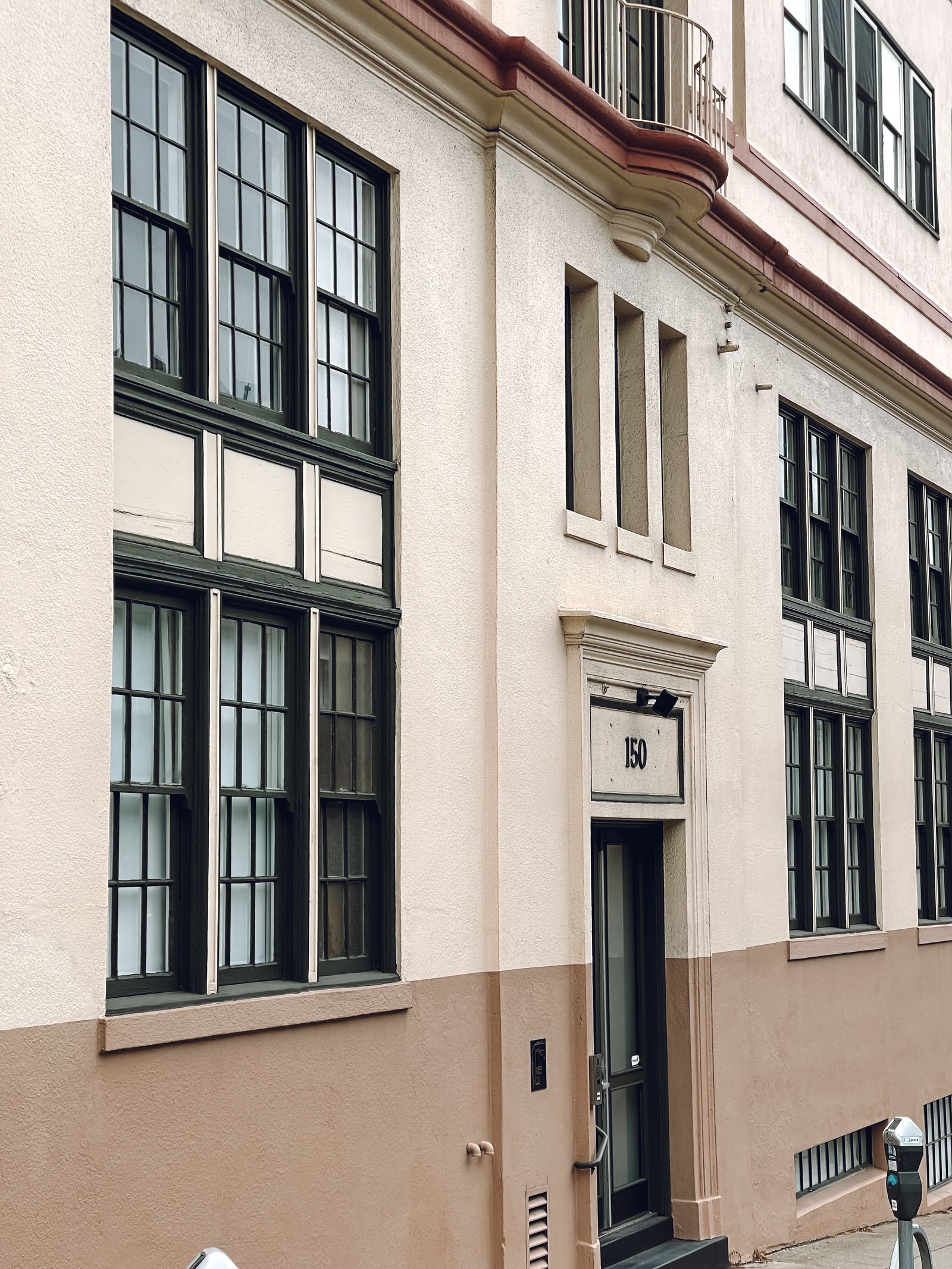
Binghamton-area commercial properties can combine brick, mortar, limestone, cast stone, concrete, EIFS, stucco, glass, metal panels, painted siding, tile, and patched areas from different construction periods. Downtown buildings around Court Street, Main Street, Washington Street, and the State Street corridor may have decorative masonry, cornices, awnings, signs, and old joints close to the public edge. Vestal retail and office sites often have broad parking-facing walls and canopies, while Endicott and Johnson City properties may mix legacy masonry with newer metal or insulated panels. A useful inspection separates those materials before anyone chooses a nozzle or chemical.
Soft washing can suit compatible algae, mildew, pollen, bird residue, and atmospheric film when the chemistry, dwell time, wind, overspray, and rinse are controlled. Lower pressure is not a universal safety guarantee. A black streak may be organic growth, roof runoff, soot, oxidation, mineral scale, salt, or failed paint. Test areas matter on Southern Tier masonry because repairs, shaded faces, road exposure, and freeze-thaw wear can make one elevation respond differently from another. Cleaning does not repair spalling, leaking joints, failed sealants, or a damaged coating, so those conditions belong in the proposal as exclusions or referrals.
- Separate brick, mortar, stone, concrete, EIFS, stucco, glass, metal, and painted zones.
- Identify organic growth, pollen, salt, soot, minerals, oxidation, and roof-runoff marks.
- Define whether the goal is a seasonal reset, tenant-ready appearance, or recurring maintenance.
- Keep masonry repair, tuckpointing, leak investigation, coatings, and restoration separate.
Respect downtown Binghamton, the West Side, and older commercial details
A downtown Binghamton facade can sit beside sidewalks, bus stops, parking spaces, restaurant seating, signs, parked cars, and neighboring entrances. Court Street and the area around the Governmental Plaza, the Broome County Forum, and the waterfront have active pedestrian and event patterns that may make a full-width work zone impractical during the day. West Side commercial buildings and mixed-use blocks can have tight side yards, steep transitions, and older brick that should not be treated like a sound concrete slab.
The quote should identify each test area, included elevation, expected improvement, protection method, and exclusion. Doors, glazing, lights, cameras, awnings, planting beds, public paths, and adjacent businesses need a protection plan. A broad upper wall might support aerial wetting or rinsing while a storefront threshold, cornice, sign, or window frame needs hand detail, a pole, or a lift. If the walk reveals loose masonry, open mortar, staining caused by a leak, or failing paint, the responsible next step may be repair or preservation work before washing.
Schedule healthcare, campus, retail, and industrial operations around the work
Binghamton University and SUNY Broome properties have class changes, residence activity, events, buses, accessible routes, and campus safety requirements. UHS, Lourdes, physician offices, and other healthcare sites add patient drop-offs, ambulances, staff entrances, deliveries, and ventilation concerns. Downtown restaurants and storefronts have guest arrivals, outdoor seating, and service windows. Oakdale Mall and Vestal retail corridors have shoppers, deliveries, parking movement, and tenant opening times. Industrial and warehouse properties in Endicott, Johnson City, Conklin, Kirkwood, and along the NY-17/I-81 approaches may need truck circulation and shift changes preserved.
Before setting a work window, the property team should provide delivery schedules, patient or guest peaks, class transitions, events, outdoor-use areas, air intakes, security rules, accessible paths, and the person authorized to pause work. A medical site might phase a secondary elevation while an emergency entry stays clear. A retailer can work a rear wall before opening. A warehouse can preserve fire lanes and loading movements. The scope should state barriers, hose routing, communication, stop conditions, and handback so exterior work does not become an avoidable operational surprise.
Plan for Southern Tier snow, salt, hills, and freeze-thaw
Binghamton's winter conditions leave a recognizable pattern on commercial exteriors. Salt, brine, sand, slush, and snow storage collect at curbs, garage ramps, lower masonry, loading docks, parking decks, and entrances. Spring pollen settles on ledges and sheltered storefronts; summer humidity and shade can support organic growth. Hillside properties can move meltwater across walls and paved areas faster than a flat site, while repeated wetting and freezing can expose weak mortar, cracks, spalled concrete, and coating failures. A lower wall beside a busy road is a different cleaning problem from a protected upper elevation.
Rain, wet snow, freezing temperatures, lightning, gusts, poor visibility, icy walking surfaces, and rapid meltwater can close a Binghamton work window. Cold changes dwell and rinse behavior; wind changes overspray and aerial stability; snowbanks can redirect loosened soil over a finished entry. A recurring program should follow exposure and material instead of promising the same interval for every elevation. Closeout is stronger when the team returns for a dry review after the weather settles and documents deposits that need another trade or specialty process.
Use aerial assistance only when the Binghamton site supports it
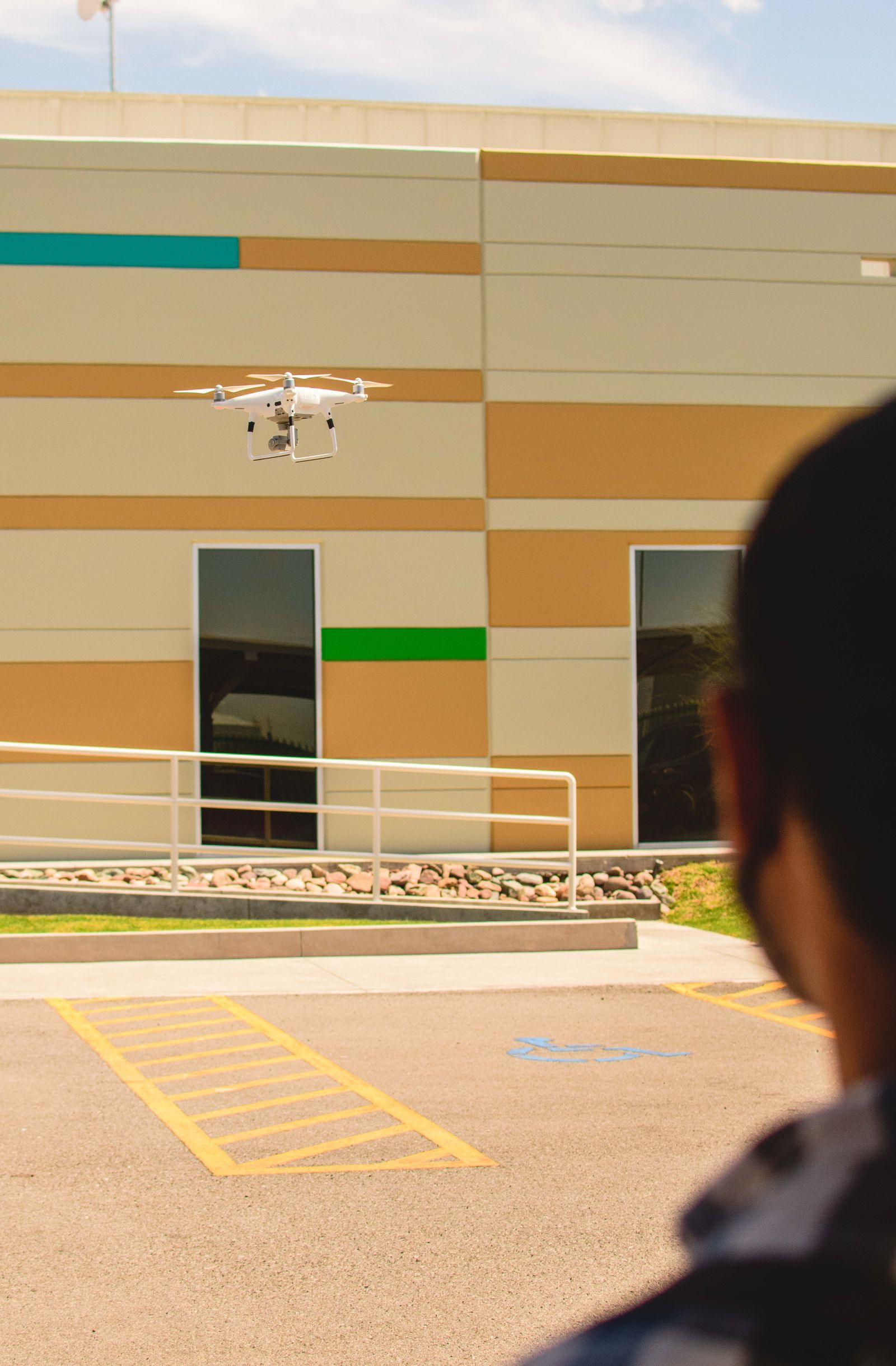
Drone-assisted wetting or rinsing may support selected upper walls, parapets, ledges, roofline edges, and broad compatible facade zones when wind, stand-off distance, line of sight, launch space, water supply, and ground controls are workable. An open industrial elevation near the river or a broad office wall may offer useful separation. A downtown block with wires, trees, signs, active sidewalks, neighboring property lines, and event traffic may not. Hills, gusts, and changing visibility can also make one elevation practical and another unsuitable on the same property.
A drone does not brush a stubborn deposit, squeegee glass, scrape a failed coating, repair a joint, feel a loose detail, or inspect a concealed defect. The quote should identify aerial elevations, spotters, public separation, communications, weather limits, emergency stop procedures, and the alternate method if conditions change. Commercial drone operations must follow applicable Federal Aviation Administration requirements; property permission does not replace aviation rules. A hybrid plan keeps staging focused while reserving direct access for cornices, windows, entries, awnings, and other contact-detail areas.
Map Binghamton runoff, drainage, grades, and river-facing edges
Before applying water or chemistry, map curb inlets, catch basins, basement doors, garage ramps, steep grades, planted islands, public sidewalks, loading docks, low points, and places where snowmelt concentrates. Properties near the Susquehanna or Chenango rivers may have distinctive grades and waterfront public activity, while a hillside site in the Town of Union or Vestal may carry flow toward a lower parking edge. A visible grate is not automatic permission to send wash water into a drainage system. Confirm water access, hose routes, barriers, air intakes, vehicles, landscaping, neighboring property lines, and the person who can stop work.
Runoff controls should match the products, rinse volume, loosened soil, grade, inlet locations, and discharge path. Depending on the actual scope, controls may include covering plants, limiting water, diverting flow, collecting it, recovering it, filtering it, or coordinating with the responsible authority. Lower walls, loading zones, and salt deposits deserve a separate review from upper facade fields. The final walk should leave entries and paths safe, record completed elevations, and note any residue or repair need that remains for the facilities file.
- Locate drains, low points, basement entries, snow storage, planting beds, air intakes, and loading areas.
- Confirm patient, guest, student, tenant, accessible, emergency, and delivery routes.
- State the water-management approach and stop condition if wind, ice, or meltwater changes the plan.
- Photograph completed zones and record deposits that need specialty cleaning or repair.
Request a Binghamton quote tied to your building
A useful quote begins with the Binghamton-area address, target elevations, approximate height, materials, visible deposits, operating hours, access restrictions, water source, drains, and desired finish. Photos of the main facade, roofline, corners, entries, lower walls, loading areas, and problem deposits make the first review more productive. Tell us whether the property is downtown, West Side, Johnson City, Endicott, Vestal, Conklin, healthcare, campus, retail, industrial, historic, or mixed-use so the plan accounts for the people and systems around it.
We can review compatible facade washing for wall fields, upper-level rinsing, ledges, canopies, parapets, roofline edges, and recurring exterior care while identifying elevations that need a lift, pole, hand detail, repair contractor, or preservation specialist. The proposal should explain what is included, how access is achieved, how people and drainage are protected, and what improvement is realistic for the observed condition. Call +1 239-351-2897, email contact@dronebuildingcleaners.com, or submit property details through the contact form to get in touch.